In the world of precision manufacturing, various processing methods have evolved alongside technological advancements. Among them, etching stands out for its unique characteristics and plays a vital role across many industries.
This article compares the features of etching with other manufacturing methods and provides guidelines to help you choose the most suitable process for your company.
Overview of Etching
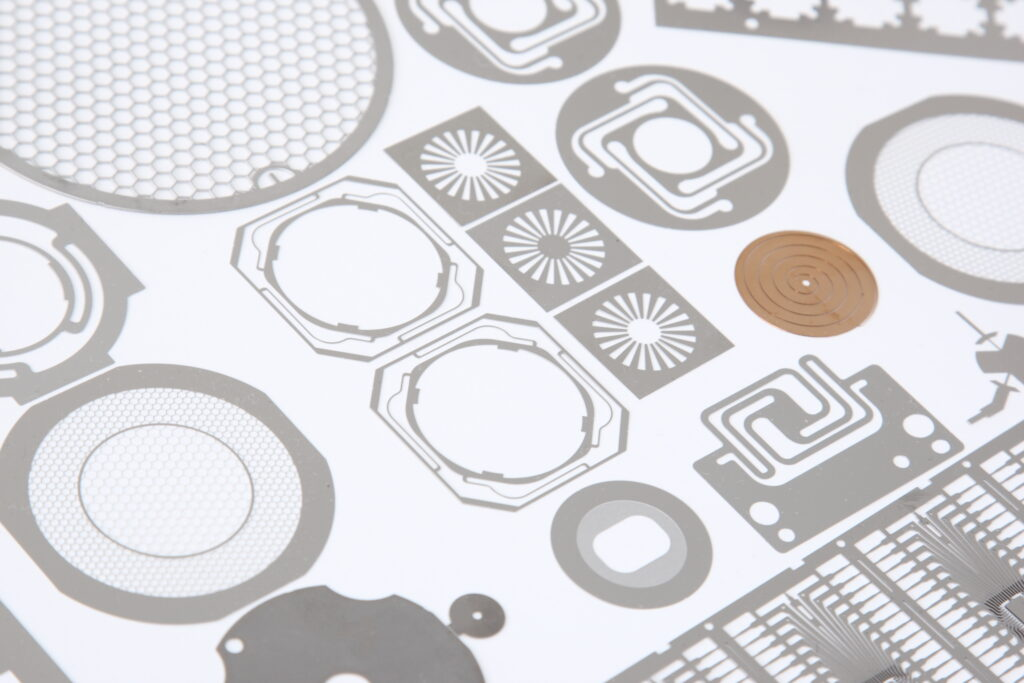
Etching is a processing technology that uses chemical agents to dissolve metal or other materials to create desired shapes or patterns. This method is particularly suitable for precision machining of thin metal sheets and foils. Industries that require high accuracy—such as electronics, semiconductors, medical devices, and aerospace—widely use etching.
Manufacturers select etching for several key reasons:
- It enables high-precision processing
- It supports the creation of complex shapes and patterns
- It provides non-contact processing without applying stress to the material
- It allows manufacturers to process thin materials without deformation
For example, manufacturers use etching to produce micron-level precision components such as microelectronic parts inside smartphones and precision components for medical implants.
Comparison of Etching and Other Processing Methods
| Characteristic | Etching | Micro Laser Processing | Machining | Press Processing |
|---|---|---|---|---|
| Accuracy | High (±0.01 mm) | Medium–High (±0.05–0.01 mm) | Medium–High (±0.05–0.01 mm) | Medium (±0.05 mm) |
| Main Materials | Metal sheets & foils | Metal, wood, plastic | Metal, wood, plastic | Metal |
| Material Thickness | Ultra-thin to thin (approx. 0.004–2 mm) | Thin to medium (up to approx. 10 mm) | No specific limit | Medium (0.1–10 mm) |
| Initial Cost | Low (photo mask only) | Low | Low | High (die fabrication required) |
| Best Production Range | Small–medium lots (One to tens of thousands) | Small lots | Small–medium lots | Large-volume production |
| Material Stress | Low | Heat-affected | High | High |
| Microfabrication | ◎ (from 0.05 mm) | ○ (from approx. 0.02 mm) | △ (tool size limitations) | × (difficult) |
| Design Flexibility | High (3D possible with diffusion bonding) | High | High | Low (die constraints) |
| Typical Applications | Electronic components, shims, precision filters | Cutting, marking, micro-drilling | Machine parts, molds, prototypes | Automotive parts, home appliance parts |
Below is a closer comparison of each method.
Detailed Comparison
1. Comparison with Micro Laser Processing
Both etching and micro laser processing enable high-precision manufacturing, but each offers distinct characteristics.
Accuracy
Etching achieves high precision of approximately ±0.01 mm and excels at processing thin materials. Micro laser processing offers ±0.05–0.01 mm accuracy and accommodates thicker materials.
Materials
Etching primarily works with metals, while micro laser processing supports a wider range of materials, including plastics and wood.
Processing Speed
Etching allows manufacturers to process parts simultaneously in batches. In contrast, micro laser processing handles one point at a time, which increases overall processing time. However, laser processing can complete complex single-point shapes quickly.
2. Comparison with Machining
Etching and machining (such as cutting and milling) offer different strengths.
Complex Design
Etching processes complex 2D patterns in a single step and achieves 3D shapes when manufacturers combine it with diffusion bonding. Machining produces complex 3D shapes but struggles to create fine patterns.
Non-Contact Processing
Etching removes material chemically without applying mechanical stress. Machining requires direct tool contact, which can deform thin materials.
Material Range
Etching primarily works with metals. Machining supports a broader range of materials, including metals, plastics, and wood.
3. Comparison with Press Processing
Manufacturers widely use both methods in metal fabrication, but they differ significantly.
Efficiency
Etching works well for small- to medium-volume production. Press processing enables high-speed continuous operation and supports mass production.
Shape Flexibility
Etching produces complex shapes and fine patterns. Press processing cannot easily handle very thin materials and remains limited by die design constraints.
Quality (Finish)
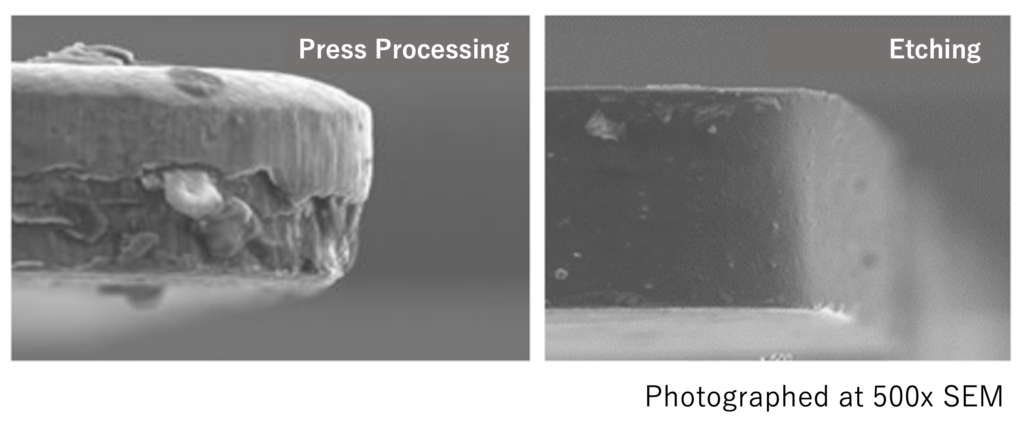
Because etching is a non-contact process, it is less likely to generate burrs or cause material distortion compared to press processing. As a result, secondary processes such as deburring or distortion correction can sometimes be reduced. On the other hand, press processing applies physical force to the material, which may lead to burrs or distortion depending on the processing conditions.
Initial Cost
Etching requires relatively low initial investment, while press processing requires manufacturers to invest heavily in die fabrication.
Applications of Etching
Shim and Spacer Manufacturing
Shims and spacers are ultra-thin metal sheets that adjust fine gaps between mechanical components. Photo etching provides an ideal method for manufacturing these precision parts.
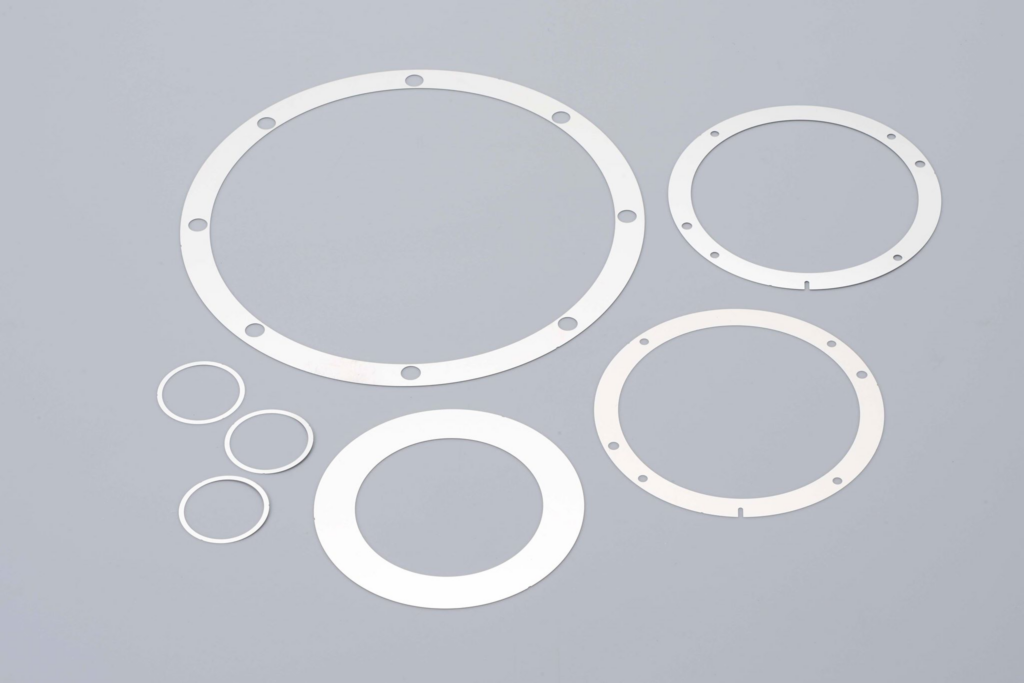
- High precision: Thickness tolerance of approx. ±0.005 mm
- Uniformity: Chemical processing maintains uniform thickness across the entire part
- Complex shapes: Manufacturers easily produce circular and irregular shapes
Etching vs. Press Processing
Etching:
- Processes ultra-thin materials down to 0.004 mm with precision
- Supports small-lot production
Press Processing:
- Cannot easily process ultra-thin materials
- Requires high die costs; works best for mass production
Applications:
- Aircraft engine component adjustment
- Precision machinery assembly
- Optical equipment alignment
Microchannel Fabrication for Cold Plates
When manufacturers combine etching with diffusion bonding, they can efficiently produce microchannels required in thermal management devices such as cold plates.
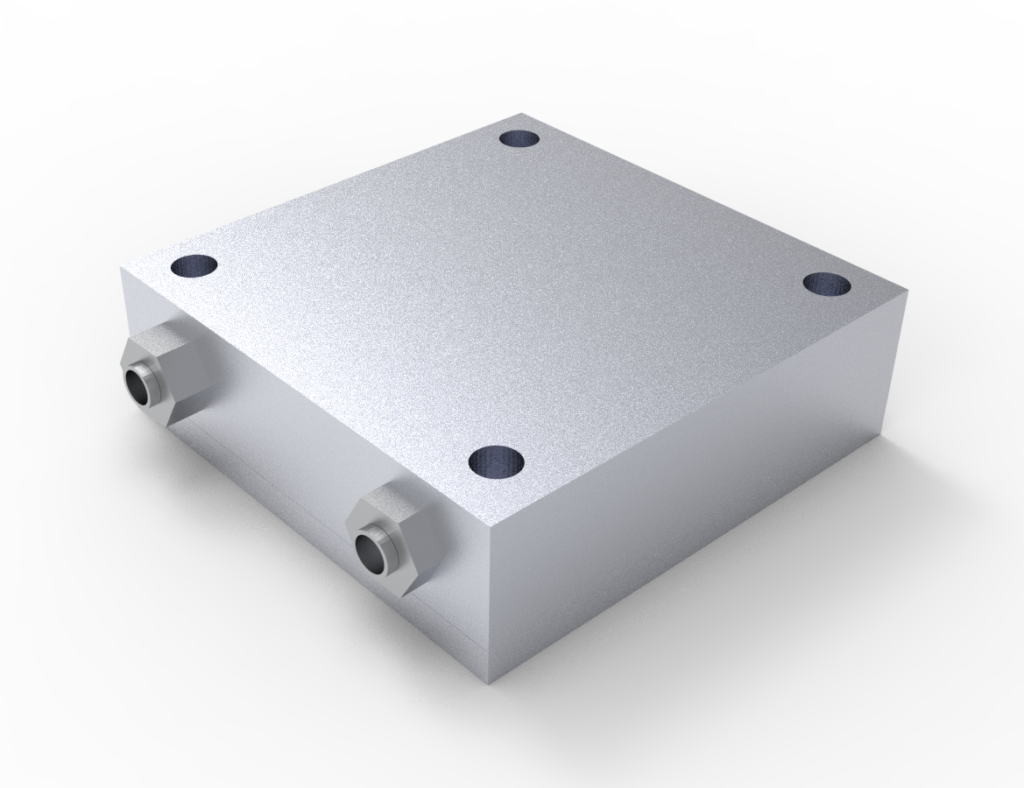
- High precision: Forms channels with ±0.01 mm accuracy
- Complex patterns: Supports serpentine and branched channel designs
- Uniform depth: Chemical processing ensures consistent channel depth
Etching vs. Machining
Etching:
- Produces microchannels under 0.1 mm
- Eliminates material stress and reduces deformation in thin sheets
Machining:
- Struggles to machine extremely fine channels
- Tool wear and vibration can reduce precision
Applications:
- Cooling systems for semiconductor manufacturing equipment
- Thermal management for high-power LEDs
- Temperature control in medical devices
High-Precision Filter Manufacturing
Etching works particularly well for manufacturing high-precision filters with micro-holes and complex patterns.
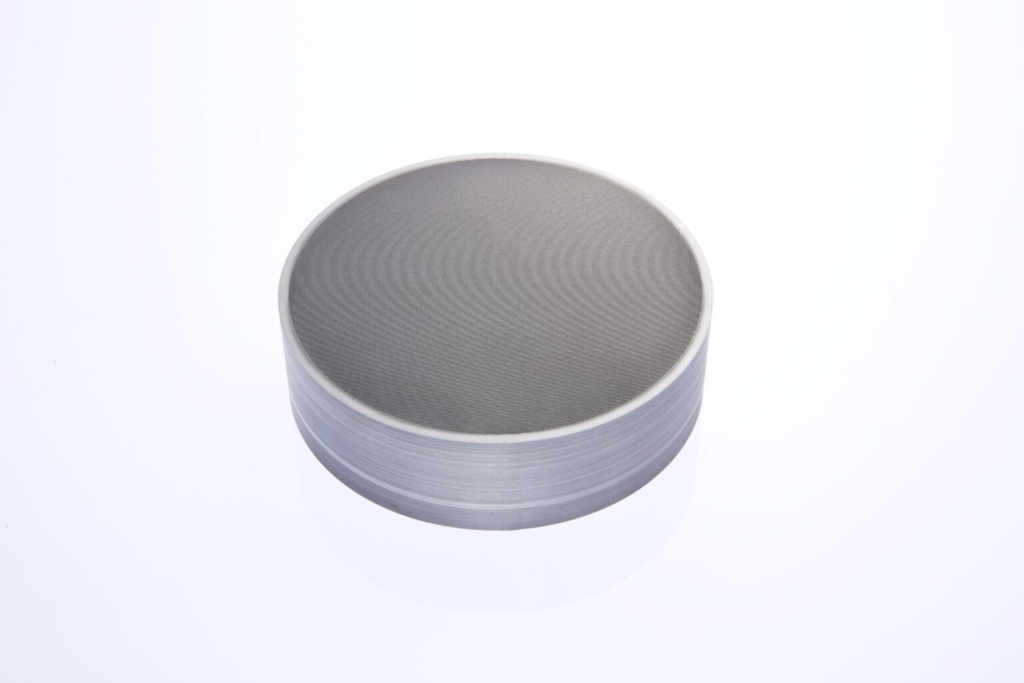
- Microfabrication: Produces hole diameters from 0.05 mm
- Uniformity: Maintains consistent size and shape across all holes
- Complex patterns: Enables advanced fluid control designs
Etching vs. Micro Laser Processing
Etching:
- Eliminates heat-affected zones and minimizes burrs or deformation
- Processes multiple holes simultaneously
Micro Laser Processing:
- Heat may deform areas around micro-holes
- Processes holes individually, increasing time and cost
Applications:
- Medical infusion filters
- Fuel injection nozzles
- Precision gas and liquid filtration systems
Conclusion
Etching plays an essential role across various industries because it delivers high precision, complex geometries, and non-contact processing. It offers particular advantages in microfabrication and thin material processing compared to other methods.
By carefully evaluating product characteristics, production volume, and required accuracy, companies can select the most suitable processing method. When companies properly choose between etching and other manufacturing techniques, they can improve quality while reducing costs.